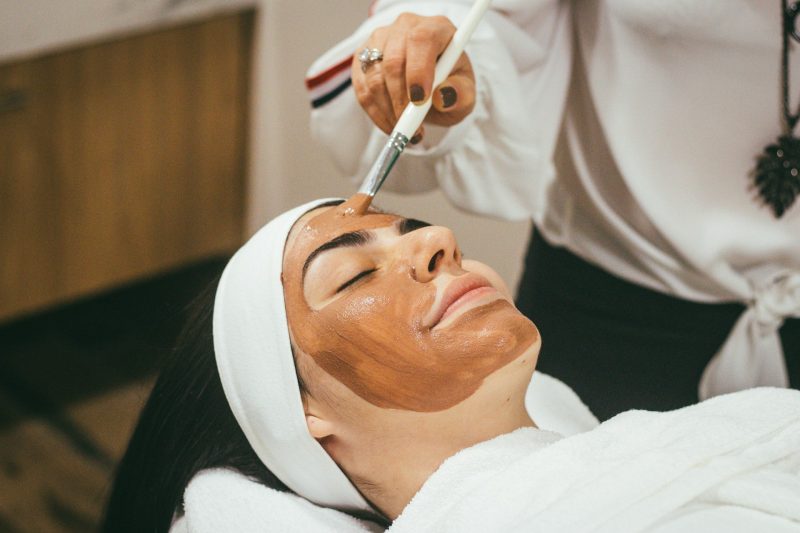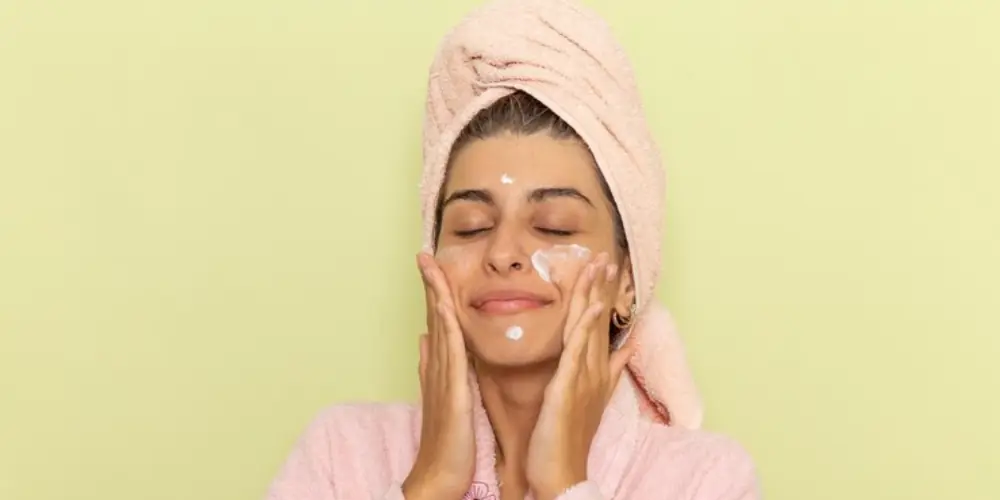
Many people strive for that “why is my skin so dry even when I moisturize” look, complete with radiant, healthy skin. But what if you’re applying moisturizer, yet your skin still feels parched, tight, and even flaky or itchy? If you’ve ever uttered the frustrated question, “Why is my skin so dry even when I moisturize?” you’re not alone. There are solutions! Let’s delve into the common culprits behind ineffective moisturization and explore strategies to achieve long-lasting hydration.
Mismatched Moisturizer: A Recipe for Dryness
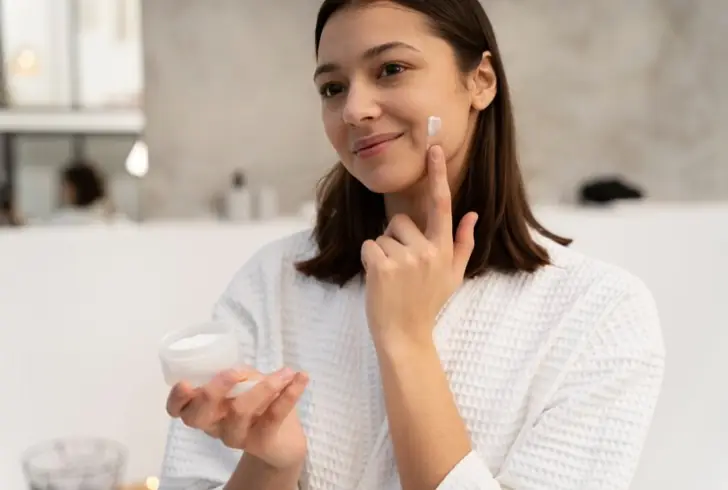
Oftentimes, the root cause of a moisturizer failing to deliver is that it’s not the ideal product for your skin type. Lotions and lightweight moisturizers, while appealing for their sheer texture, often contain a high water content. This translates to less of the essential lipids (fats and oils) that lock moisture into the skin.
For dry skin, richer creams are the true heroes. These heavier formulas boast a higher concentration of lipids, providing superior hydration and nourishment. Consider popular options like Eucerin Original Healing Cream or CeraVe Moisturizing Cream. For particularly dry hands, dedicated hand moisturizers like Eucerin Advanced Repair Hand Cream offer targeted relief.
When choosing a moisturizer, fragrance-free is the golden rule. Fragrances can irritate dry and sensitive skin. Avoid products labeled “unscented,” as these might contain masking chemicals that cover up the scent of other ingredients.
For dry patches, ointments like petroleum jelly or Aquaphor Healing Ointment offer an even more occlusive solution, creating a protective barrier to prevent moisture loss.
The Power of Exfoliation: Sloughing Away Dryness
If you neglect exfoliation, a buildup of dead skin cells can form a barrier, hindering your moisturizer’s ability to penetrate. The answer to your dry skin woes could be as simple as incorporating regular exfoliation with a gentle chemical exfoliant. Look for exfoliating face washes or body washes containing salicylic acid, glycolic acid, or lactic acid. Aim to use these products one or two times a week to remove dead skin cells without irritation.
Timing is Key: When to Moisturize for Most Benefit
While there’s no “wrong” time to moisturize, there’s a strategic approach that optimizes results. Apply moisturizer immediately after patting yourself dry from a shower or bath. This window, when your skin is still damp, allows the moisturizer to lock in the water content on the surface of your skin.
The Double-Edged Sword: Anti-Aging Creams and Acne Treatments
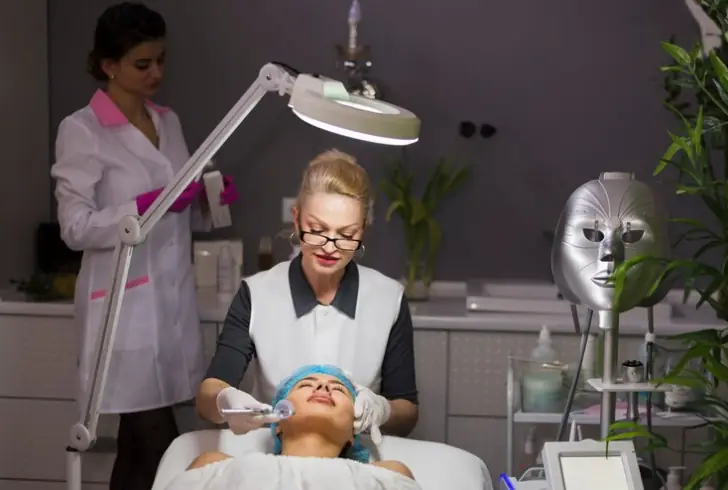
While over-the-counter retinol products and prescription retinoids like tretinoin are lauded for their wrinkle-fighting abilities, they can also have a drying effect, leaving skin flaky and parched. This is because they speed up the natural exfoliation process of the skin. If you use these products, start and consider a lower-dosage option. Consulting a dermatologist can help determine the right anti-wrinkle product for your needs and tell you on the proper application order – moisturizer before or after the anti-aging treatment.
Topical acne treatments can contribute to dryness. Discussing the best approach to managing your acne with a dermatologist is crucial.
Unwitting Culprits: Habits That Dehydrate Your Skin
Do you indulge in long, steaming showers? Unfortunately, this habit can exacerbate dry skin. Aim for shorter showers (less than 10 minutes) using warm, not hot, water. If you don’t sweat, showering less than daily might also be beneficial.
Here are some other everyday habits that can dehydrate your skin:
- Using harsh soaps: Opt for gentle cleansers like Dove instead of drying soaps, such as deodorant soaps.
- Harsh skincare products: Toners and other products formulated for oily skin types might be too stripping for dry skin.
- Restrictive clothing: Tight-fitting clothes that rub against the skin can irritate and dry it out.
- Smoking: Smoking constricts blood vessels, reducing blood flow to the skin and hindering its ability to keep moisture.
- Chlorinated pools: Regular swimming in chlorinated pools can be drying.
- Age-Related Decline in Sebum Production: As you enter your 40s, your skin’s natural production of sebum (oil) decreases. This decline continues, albeit at a slower pace, with further aging. Switching to a richer cream or ointment can improve hydration and minimize the appearance of fine lines for mature skin.
Underlying Conditions and Medications: When Dry Skin Signals More
Several common skin conditions, such as eczema, contact dermatitis, and psoriasis, manifest with dryness, flaking, and peeling. But, even unrelated medical issues can leave your skin parched. These include diabetes, hypothyroidism, and psoriasis. But, even unrelated medical issues can leave your skin parched. These include diabetes, hypothyroidism, lymphoma, and kidney failure. Dialysis, a treatment for kidney disease, can further exacerbate dry skin. If you suspect an underlying condition might be contributing to your dryness, consulting a doctor is vital.
Medications That Can Zap Moisture
Dry, peeling skin is a common side effect of various medications. Accutane, beta-blockers, hormonal birth control pills, cholesterol-lowering statins, diuretics (“water pills”), and chemotherapy drugs are frequent culprits. Using a thicker moisturizer or switching to an ointment can help counteract this dryness.
Nutrient Deficiencies: When Food Affects Your Face
Stubborn dryness might say a deficiency in certain vitamins and minerals essential for healthy skin. These include vitamin A, vitamin D, iron, niacin, and zinc. Talk to your doctor about the possibility of a deficiency and whether supplementation might be necessary.
Extreme calorie restriction due to eating disorders like anorexia can also deprive the skin of the nutrients it needs to stay hydrated.
Battling Dry Air: Strategies for a Hydrated Haven
Living in a cold, dry climate or having dry air at home due to forced air heating in the winter or air conditioning in the summer can make maintaining skin hydration an uphill battle. Here are some strategies to combat dry air:
- Upgrade your moisturizer: As mentioned earlier, consider switching to a richer cream or ointment for increased hydration.
- Embrace the humidifier: Using a humidifier in the room where you spend the most time adds moisture to the air, creating a more hydrating environment for your skin.
- Plant power: Houseplants can help improve indoor air humidity.

Achieving Long-Lasting Hydration
By understanding the reasons behind your dry skin and implementing the right strategies, you can achieve a healthy, hydrated complexion that reflects your inner glow. Remember, consistency is key! Applying moisturizer, maintaining a gentle skincare routine, and addressing underlying factors will contribute to long-lasting moisture and the radiant, look you deserve.