Planning a trip to Europe and wondering when is the best time to travel to Europe? The answer depends on what kind of experience you’re after, as Europe offers a variety of climates and activities year-round.
From vibrant summer festivals to serene winter landscapes, Europe’s diverse regions each have their unique charm depending on the season.
Discover When Is the Best Time to Travel to Europe
1. Spring
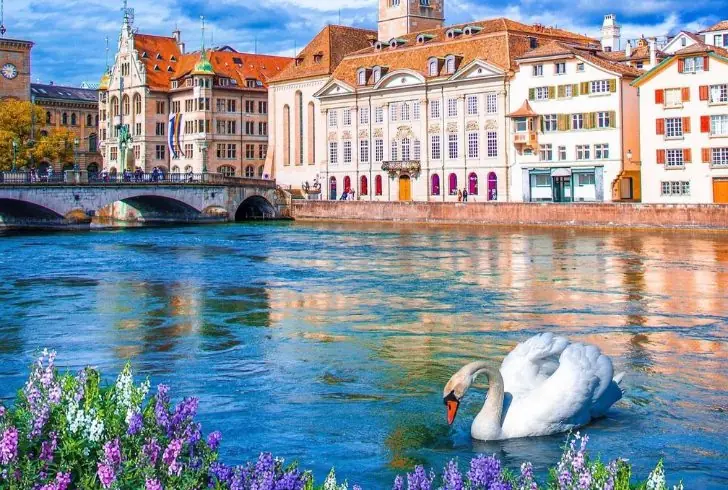
Spring in Europe brings a fresh vibrancy as winter recedes. From March to May, the continent awakens with blossoming flowers and longer daylight hours. April marks the beginning of the tourist season, with mild temperatures and fewer crowds. By May, the weather is generally pleasant across Europe, making it an ideal time for sightseeing and outdoor activities.
- March – Still cool, but a great time to visit before the peak season.
- April – Enjoy a mix of showers and sunshine; ideal for exploring cities.
- May – Warm and pleasant, especially in Britain and Ireland, often better than the summer months.
2. Summer
When considering when is the best time to travel to Europe for a classic summer experience, June through August is the answer. The summer season is bustling with activity, especially in Mediterranean regions. While this period draws the largest crowds, it also offers extended daylight and numerous festivals.
- June – Scandinavia experiences “White Nights” with extended daylight, and Iceland’s whale-watching season peaks.
- July & August – Southern Europe, including the south of France, Greece, and Turkey, is at its hottest and busiest. The lavender fields in Provence are in full bloom, creating stunning landscapes.
3. Fall
Fall is often heralded as the best time to visit Europe, blending the tail end of warm weather with fewer tourists. September and October offer comfortable temperatures and the beautiful autumn foliage. Wine and olive harvests add a local flair to the experience.
- September – Mediterranean regions still enjoy beach-worthy weather, and the summer crowds have thinned.
- October – Experience the vibrant fall colors, especially in northern regions. The olive harvest in southern Europe offers a unique glimpse into local traditions.
- November – Rain increases, and temperatures drop, but it’s a good time to catch the first snow in mountain regions and witness the Northern Lights in Scandinavia.
4. Winter
Winter across Europe brings cooler temperatures and more rain, but it also offers a unique opportunity to experience the continent’s festive side. Cities come alive with Christmas markets and holiday decorations. For those who don’t mind the chill, winter is an excellent time to explore museums and enjoy the quieter side of Europe’s cities.
- December – Enjoy festive markets and holiday cheer in cities like Vienna and Berlin.
- January & February – These months are less crowded and perfect for exploring cultural sites and museums.
When Is Rainy Season?
Europe’s rainy season varies greatly. While winter is generally wetter across the continent, the north, especially countries like Norway, face significantly more rain from October to March.
In contrast, southern regions like Barcelona experience less rain, averaging around six days a month. However, even southern areas like southern France can see increased rainfall, with October being particularly wet.
High Season vs. Shoulder Season
High Season
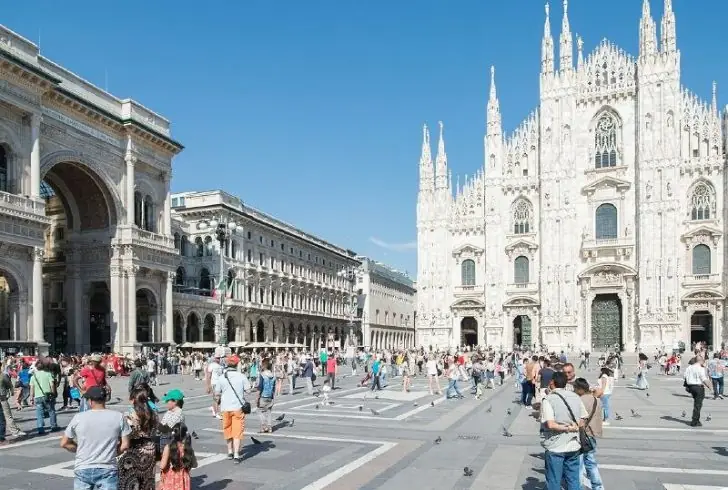
The high season runs from June through August. During this period, expect higher prices and larger crowds. Coastal areas are especially busy as Europeans flock to their favorite summer spots.
Shoulder Season
For a more relaxed experience, consider the shoulder season. This period, which includes late spring (April and May) and early fall (September and October), offers a sweet spot between pleasant weather and manageable crowds.
Low Season
The low season spans from late fall through early spring (November to early March). While weather can be less predictable, this time of year offers fewer tourists and lower prices, making it an excellent opportunity for exploring urban attractions and cultural landmarks.
Understanding when is the best time to travel to Europe can significantly enhance your experience. By considering the seasonal highlights, travelers can tailor their visits to their preferences, whether it’s basking in summer sun, marveling at autumn colors, or enjoying winter festivities. Europe’s diverse climates and cultural events ensure there’s something special to discover at any time of the yea