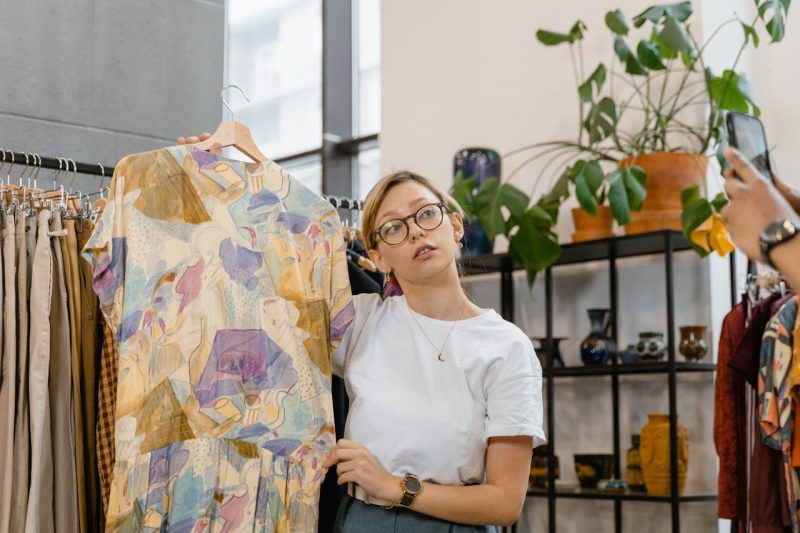
You might have heard the chatter, perhaps on social media or among your eco-conscious friends. There is a growing faction of people who, amidst the cacophony of ads urging them to buy the latest fashions, are choosing a different path. They are committing to a wardrobe of fewer, longer-lasting items – or even opting out of buying new clothes entirely.
Why, you ask? There is a blend of environmental anxiety, a recognition of the true cost of fast fashion, and the ever-tightening pinch of economic crises.
Less is More: The Mindset Shift
This conversation is not solely driven by external pressures. There is an emerging recognition of the benefits of owning less. The minimalist movement, which once seemed like the preserve of design enthusiasts and the occasional Silicon Valley tech guru, is now gaining mainstream momentum.
Owning fewer, higher-quality clothes that truly fit one’s style and needs can be liberating. It means less clutter, less decision fatigue in the morning, and, for some, a deeper sense of identity not tied to the whims of seasonal trends.
Fast Fashion’s Tangled Web
To understand this growing movement, it is vital to grasp the connection between fashion and the environment. The fashion industry, particularly the fast fashion sector, is a significant polluter. It accounts for 10% of global carbon emissions, more than the emissions of all international flights and maritime shipping combined.
If this is not startling enough, consider the amount of water needed to produce one cotton shirt. It is about the same as you would drink over two and a half years! With climate change concerns mounting, it is no surprise that people are beginning to question their buying habits. The question, “Do I really need another white tee?” takes on a new weight.

Economic Realities Bite
But it is not just the planet that is feeling the heat. Consumers’ pockets are too. The cost-of-living crisis, with skyrocketing prices on everyday essentials, means that many are having to make more intentional decisions about where their money goes.
The choice becomes stark: Is it a new pair of jeans or groceries for the week?
So, Why Aren’t More People Onboard?
Despite the buzz, this shift is still niche. The power of consumerism, particularly in the fashion world, is undeniable. There is a dopamine hit every time we snag a bargain or unwrap a parcel, and marketers know this all too well.
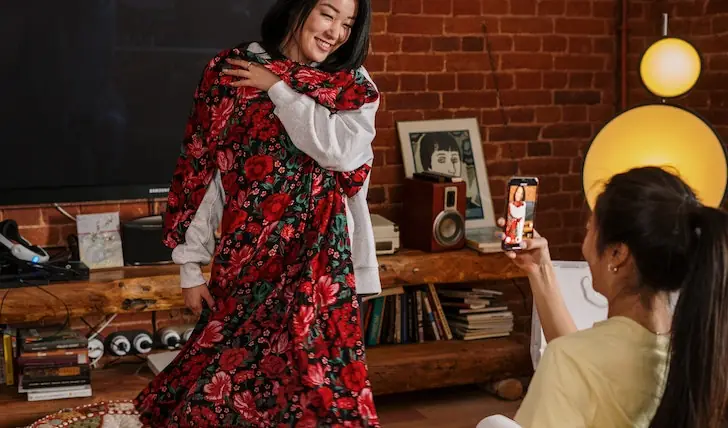
Moreover, fashion is deeply woven into the fabric of our social culture. For many, it is a means of self-expression, a way to fit in or stand out, and even a form of comfort in uncertain times. Asking someone to give that up or even reduce it is not trivial.
Towards a Fashionable Future
Yet, while the percentage of those swearing off new clothes remains small, the conversation’s volume and reach are undeniable. And conversations drive change. Already, we see brands committing to more sustainable practices, consumers demanding transparency, and a surge in the second-hand market.
In a world overflowing with choices, perhaps the most revolutionary one is to choose less – but with more intention.