
The de minimis trade exemption let small shipments under $800 enter the U.S. without tariffs. It gave fast-fashion brands like Shein and Temu a backdoor into American closets. Now, it is gone, and that changes everything.
The rule came from the U.S. Tariff Act of 1930. It was supposed to help individuals and small businesses avoid fees on low-cost imports. In 2016, the limit jumped from $200 to $800. This made it incredibly easy for fast fashion brands to flood the U.S. market with cheap clothes.
Why the U.S. Eliminated It
Between 2015 and 2023, shipments under $800 exploded – from 153 million to over a billion. Most of those packages came straight from China, filled with low-cost clothing that skipped import taxes thanks to the de minimis rule.
This loophole became a goldmine for fast fashion. It allowed brands to avoid paying duties while keeping prices rock-bottom. That is how a $5 shirt could get to your door in a week without extra fees.
Cheap Clothes, Big Problem
Fast fashion is not just about low prices. It is about speed, quantity, and throwaway quality. These clothes are often made quickly, worn a few times, and then tossed. That is how Americans end up throwing out 82 pounds of clothes every year.
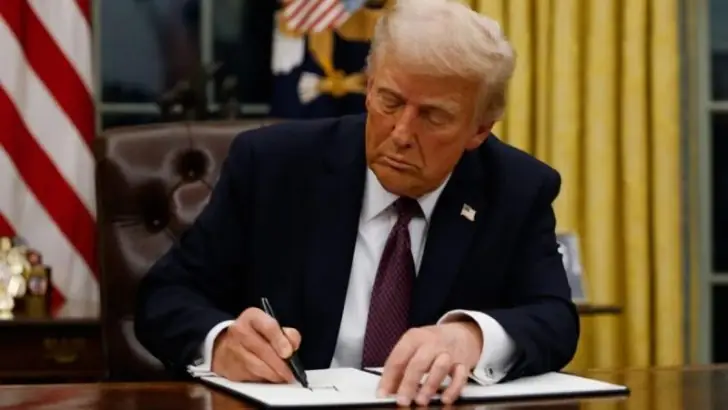
According to the Trump administration, the de minimis trade exemption made that cycle even faster.
What Changed With the End of De Minimis?
On March 4, the U.S. finally ended the de minimis trade exemption. The White House had briefly paused it in February, but now it is officially gone. All low-cost shipments from overseas are now subject to tariffs.
That means more paperwork, higher costs, and new hurdles for companies that rely on mass shipping under the $800 threshold.
For brands like Shein and Temu, this move is a gut punch. They built their business models around shipping thousands of low-cost items per day without paying import duties. That advantage just disappeared.
Will Consumers Change?
If fast fashion costs more – even just a few bucks – it could change how people shop. That small friction might be enough to slow down impulse buying.
When clothes stop being “practically free,” shoppers may think twice. And that shift, even if it is subtle, could lead to a big drop in clothing waste and a move toward better-made, longer-lasting items.

Environmental groups have been calling for this for years. They argued that the de minimis trade exemption helped create a mountain of clothing waste. With it gone, there is hope for more thoughtful buying and less throwaway fashion.
Boost for Local Brands
When overseas fast fashion gets more expensive, U.S.-based brands suddenly get a shot. Small labels that couldn’t compete with $3 dresses may now find room to grow. Consumers might start looking closer to home.
That shift could help the U.S. textile and fashion industries regain some footing. Domestic brands stand to benefit if more shoppers are willing to pay a bit more for quality and sustainability.
For years, U.S. businesses said fast fashion brands were abusing the system. The de minimis trade exemption was not meant for billion-dollar companies shipping endless micro-packages. Now, that loophole has been closed.